Carbon Monoxide Safety in Colorado Homes
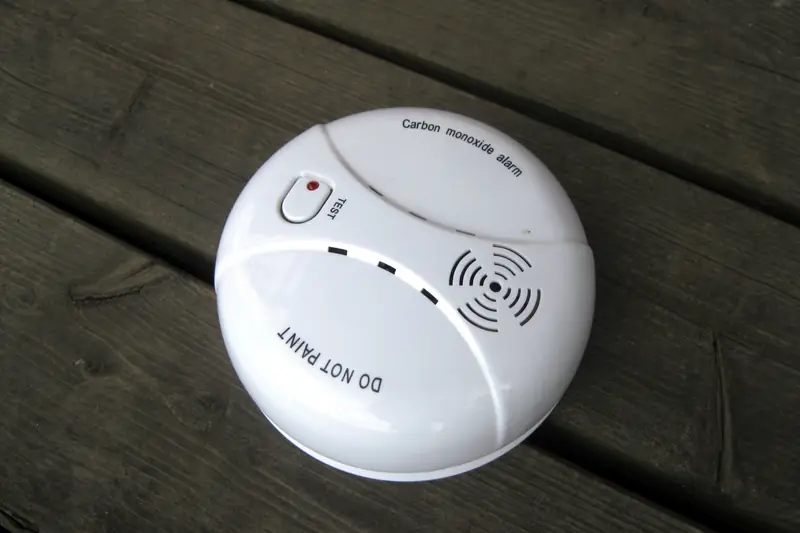
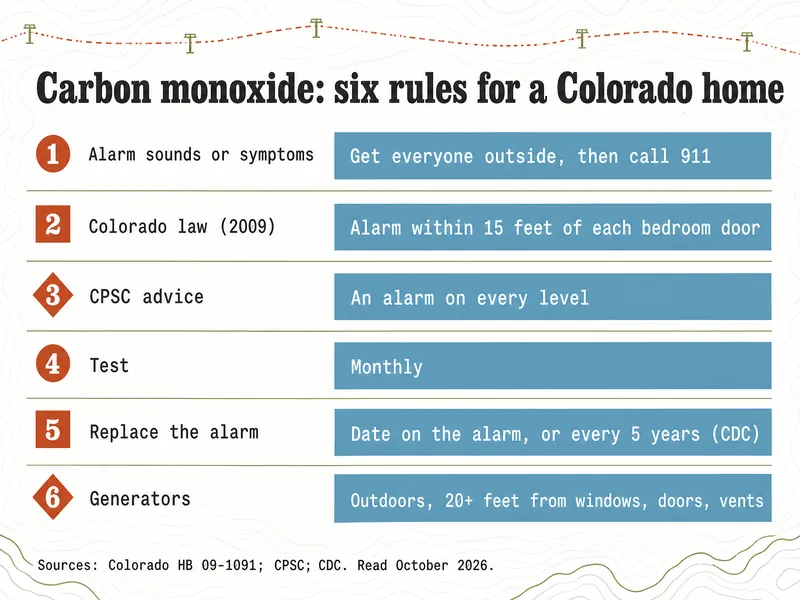
Carbon monoxide safety in a Colorado home means a working alarm within 15 feet of every bedroom door, and the moment one sounds, everyone outside to fresh air before anyone calls 911.
Written by the Upvalley Heat desk from manuals and official pages · how figures are sourced · Rechecked
First tracks
- Colorado's 2009 carbon monoxide law (C.R.S. 38-45-101 and following) puts an alarm no more than 15 feet from every sleeping-room door once a home with fuel-burning appliances, a fireplace or an attached garage is sold, rented to a new tenant or gets permitted work.
- An alarm on every level of the home is CPSC advice, not Colorado law, and CPSC says to test alarms monthly.
- If an alarm sounds or anyone feels ill, CPSC's order is fixed: get outside to fresh air first, then call 911.
- CDC lists headache, dizziness, weakness, upset stomach, vomiting, chest pain and confusion as the most common symptoms.
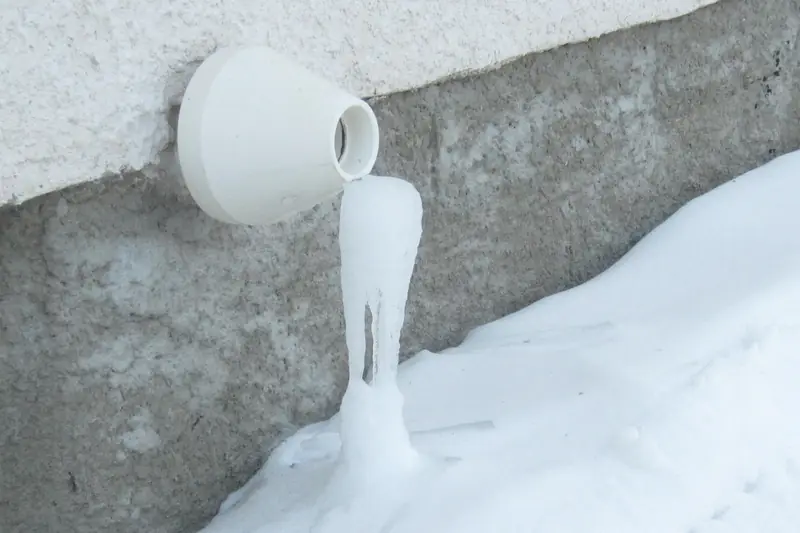
- Furnace makers want high-efficiency vent pipes a foot or more (12 inches) clear of the snow they expect; a buried vent can push exhaust back or shut the furnace down.
- Portable generators run only outside, 20 feet or more from any window, door or vent (CDC, CPSC and ready.gov).
What does Colorado law require for carbon monoxide alarms?
Colorado's carbon monoxide alarm law, passed in 2009 as House Bill 09-1091, requires a working alarm no farther than 15 feet from the door of every room lawfully used for sleeping, in the situations the law covers. The 2009 session law applies to homes with a fuel-fired heater or appliance, a fireplace or an attached garage.
Three events trigger it. A seller must make sure the alarms are in place when a home is offered for sale. Interior alterations, repairs, fuel-fired appliance replacements or additions that need a building permit trigger it too, so a new furnace or boiler installed under permit brings the alarm rule with it. Rentals are covered at each change of tenant, with the owner replacing missing or dead alarms and the tenant testing and maintaining them.
The law also says what counts as an alarm: it must sound a distinct audible alarm and be listed by a nationally recognized testing laboratory, and it can run on batteries, plug in with battery backup, or be hard-wired with battery backup. A combined smoke and CO alarm is allowed if it clearly tells the two hazards apart. No one may pull the batteries or disable an alarm except to service or replace it, and towns and counties may set stricter rules. This page quotes the law as enacted in 2009; later amendments were not checked, so ask your building department how it applies to your project.
Where should carbon monoxide alarms go?
Put an alarm outside each sleeping area and one on every level of the home. The first part matches Colorado's 15-foot rule; the second is advice from the CPSC's carbon monoxide information center, which also says interconnected alarms are best, because when one sounds they all sound.
CPSC adds that alarms should not go in attics or basements unless those spaces include a sleeping area. CDC asks for battery-operated or battery back-up detectors near every sleeping area, and ready.gov suggests central locations on every level.
| Source | What it says about placement | Law or advice |
|---|---|---|
| Colorado HB 09-1091 | No more than 15 feet from each sleeping-room door | Law, in the cases it covers |
| CPSC | Every level and outside sleeping areas; interconnected is best | Advice |
| CDC | Near every sleeping area, battery-operated or battery back-up | Advice |
| ready.gov | Central locations on every level, with battery backup | Advice |
What are the symptoms of carbon monoxide poisoning?
The most common symptoms, according to the CDC's carbon monoxide page, are headache, dizziness, weakness, upset stomach, vomiting, chest pain and confusion, often described as flu-like. CDC also warns that people who are asleep, drunk or under the influence of other substances can die before they notice any symptoms.
That is why the alarm matters more than how you feel. EPA adds one telling pattern: symptoms that clear up after leaving home. Black Hills Energy lists warning signs around the equipment too: soot near a fireplace or furnace chimney, a pilot light that keeps going out, discolored burners, heavily frosted windows, and fireplaces that smoke or won't draw.
What should you do when a carbon monoxide alarm sounds?
Get everyone outside to fresh air right away, then call 911. That is CPSC's wording, and its May 2026 generator warning repeats it: never ignore an alarm, get outside immediately, then call 911. Do not stay inside to look for the source.
Carbon monoxide numbers to know
- 15 feetColorado's 2009 alarm distance from each sleeping room entranceColorado General Assembly
- 911Call it after everyone is outside in fresh airCPSC
- 20 feetMinimum generator distance from windows, doors and ventsCDC
- 12 inchesVent clearance above expected snow level in Carrier, Lennox and Trane manualsCarrier
- 5 yearsCDC's fallback replacement interval when the alarm gives no dateCDC
A gas smell is a separate emergency with its own steps. Black Hills Energy's gas leak instructions say to leave the building at once and get others out; don't switch lights on or off, don't use phones, garage door openers or anything that could spark, and don't light a flame. Once you are about 300 feet away and can no longer smell gas, call 911 and Black Hills Energy from outside. Never try to fix a gas line or appliance yourself.
After any alarm, have a qualified technician check every fuel-burning appliance before you run them again. CDC recommends yearly service by a qualified technician for furnaces, boilers, water heaters and other gas, oil or coal appliances, and EPA asks for an annual inspection of furnaces, flues and chimneys.
How do snow and altitude raise carbon monoxide risk?
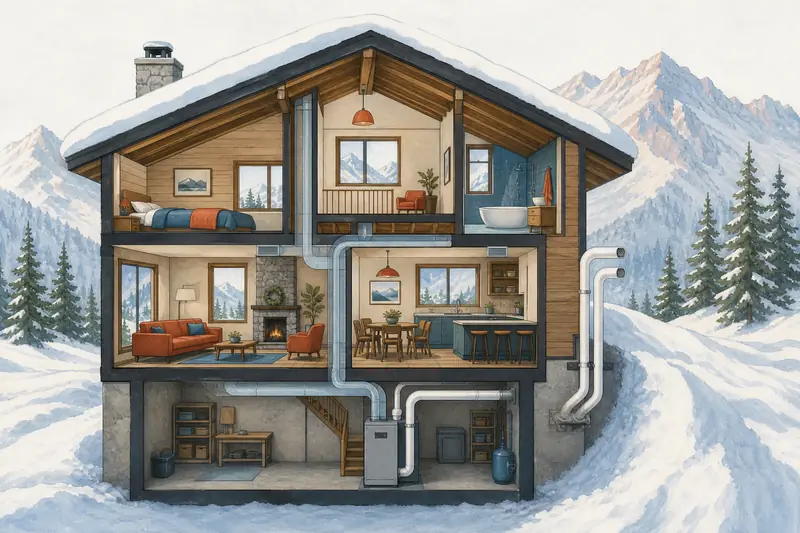
Snow can bury the plastic intake and exhaust pipes of a high-efficiency furnace or boiler, and altitude changes how much air the burner gets. Both are reasons to keep vents clear and leave the burner setup to a technician.
On snow, Carrier, Lennox and Trane installation manuals all set vent terminations 12 inches or more over the snow depth they anticipate. Black Hills Energy asks owners to keep exhaust and air-intake areas clear so CO does not build up indoors, and the National Weather Service's winter safety page says to check that a gas furnace vent is not blocked by a drift as soon as it is safe to go out. Clear packed snow by hand or with a soft brush; a shovel blade can crack PVC. If the exhaust keeps icing over or the furnace keeps locking out, call a qualified technician.
On altitude, every town from Glenwood Springs (5,762 feet, USGS) to Snowmass Village (8,208 feet, USGS) sits above the point where most makers call for high-altitude parts or settings. Navien's high-altitude conversion sheet for its NHB-H boiler warns that skipping the kit or the right altitude settings could cause carbon monoxide poisoning. That work is for the installer only; the furnace altitude derating page explains what a technician changes and why.
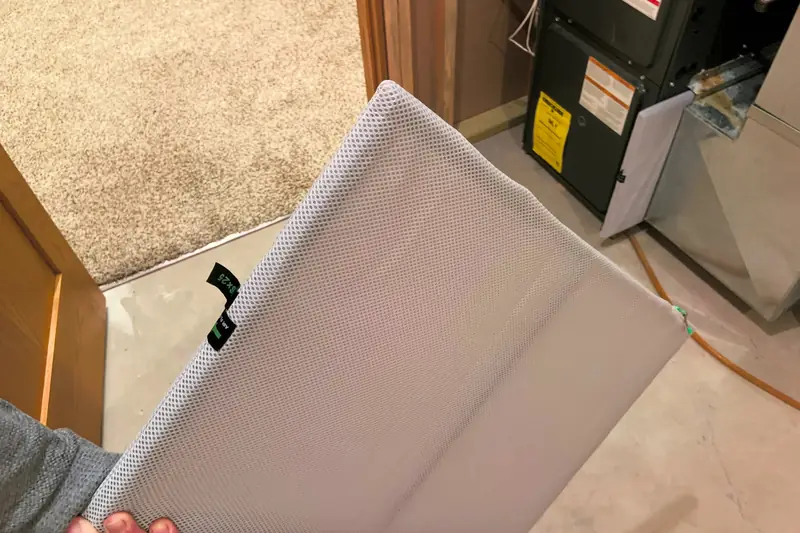
Two simple owner checks also bear on CO. Carrier's furnace manual forbids operating it with no filter in place or with that filter door removed, and Lennox warns that the blower panel must be securely in place because fumes that could contain carbon monoxide can otherwise be drawn into the house. Never tape, hold or bypass the door switch. Not sure about any step near the furnace? Stop there and let a qualified technician take over.
Power outages bring their own risk. CDC, CPSC and ready.gov all say a portable generator belongs outdoors, never in a home, garage, basement or crawlspace, and 20 feet or more away from windows, doors and vents. Ready.gov also warns against using a gas range or oven for warmth. The power outage page covers staying warm safely.
How long do carbon monoxide alarms last?
Replace a CO alarm on the date or end-of-life signal its manual gives; if you can't find one, CDC's fallback is every 5 years. Models differ, so the label on the back of your alarm is the authority.
Between replacements, CPSC says to test alarms monthly and replace batteries yearly, and CDC suggests checking batteries when the clocks change each spring and fall. Replacing the batteries in a CO alarm is a normal homeowner job.
Avalanche report: how this page was checked
This page is based on Colorado's 2009 session law for House Bill 09-1091 (the Lofgren and Johnson Families Carbon Monoxide Safety Act), the CPSC carbon monoxide pages plus its May 2026 generator release, CDC's carbon monoxide page (reviewed October 2026), EPA's page on carbon monoxide and indoor air, ready.gov's winter and power outage pages, Black Hills Energy's gas and CO safety pages, the National Weather Service winter safety page, and installation manuals from Carrier, Lennox, Trane and Navien, all read in October 2026. Town elevations are USGS ground elevations at each town's map point. Left out: alarm brand comparisons, CO concentration thresholds, any claim that the 2009 law text is the current statute, and phone numbers (link to the utility's page instead).
Lift-line questions
Does a home with only electric heat need a CO alarm in Colorado?
The 2009 law covers homes with a fuel-fired heater or appliance, a fireplace or an attached garage. A home with an attached garage needs alarms under the law even if every appliance is electric. CPSC's advice to put an alarm on every level applies to any home with a CO source.
Does replacing a furnace trigger the alarm requirement?
Yes, when the replacement needs a building permit. Colorado's 2009 law lists fuel-fired appliance replacements under permit among the events that bring the 15-foot bedroom alarm rule into play. Aspen and Glenwood Springs say heating replacements need a mechanical permit; elsewhere, ask the building department.
Who maintains CO alarms in a rental condo?
Under the 2009 law, the owner replaces missing or non-working alarms and supplies batteries before a new tenancy, and the tenant keeps, tests and maintains them and tells the owner in writing about problems.
Is a combination smoke and carbon monoxide alarm legal?
Yes. Colorado's law allows a combined unit as long as it clearly tells the two hazards apart, and it must be listed by a nationally recognized testing laboratory.
Should a CO alarm go next to the furnace in the basement?
CPSC says CO alarms should not go in basements unless the basement includes a sleeping area. Put them outside sleeping rooms and on each level you live on, then have the furnace itself inspected each year.
Is a generator safe in a garage with the door up?
No. CPSC says never to use a portable generator inside a home, garage, basement, crawlspace or shed, even with doors or windows open. Keep it at least 20 feet from openings, and consider a model with a CO shut-off feature, which CPSC recommends.
Can Aspen or Pitkin County require more than the state law?
Yes. The 2009 law lets local governments adopt stricter carbon monoxide alarm rules, and it defers to a location set by any adopted building code. Before permitted work, ask your town or county building department which alarm rules it enforces.
Next runs
Back to the base lodge: the valley elevation profile and topic list